Anúncios
When Daily Routines Shape a Flexible Workday

Balancing work and life feels simpler when your schedule bends with your needs. That’s what grabs attention about flexible house cleaning jobs—everyday routines shape the workday.
Reliable income, autonomy, and meaningful work combine in these roles. Many search for extra earnings, but the ongoing opportunities in house cleaning jobs set them apart from the usual side gigs.
Let’s explore what makes this career path attractive, with practical examples, actionable tips, and real scenarios so you can decide if house cleaning jobs fit your goals.
Open roles
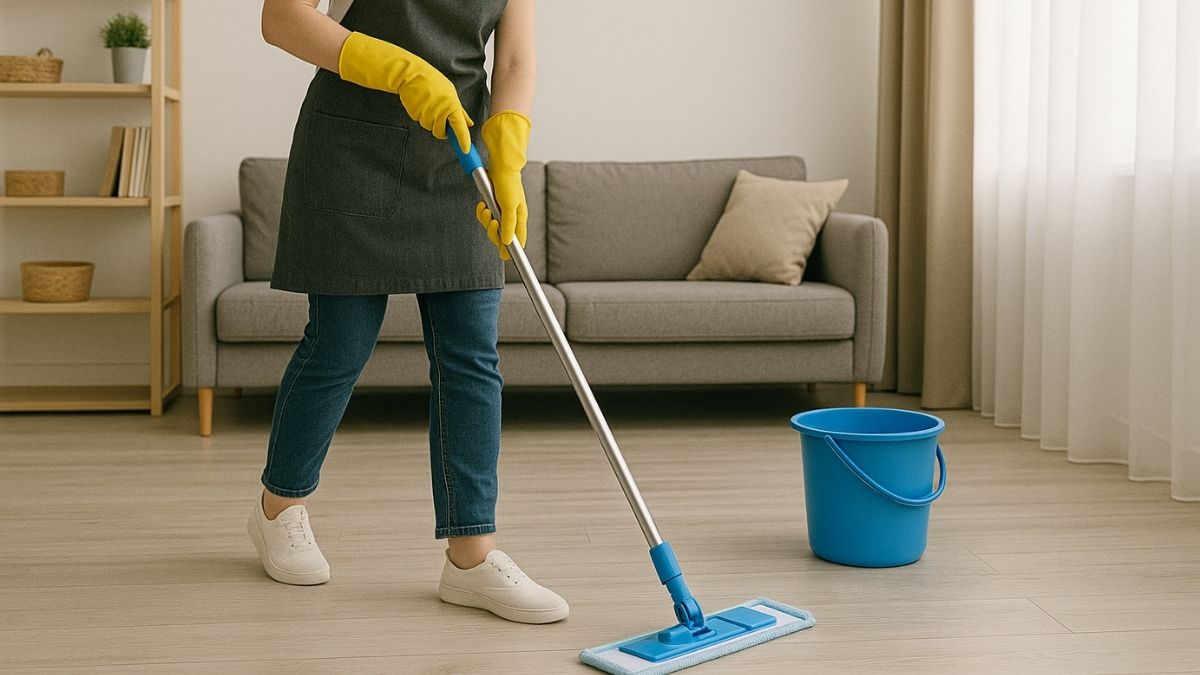
House cleaning
Residential Cleaning: Viability, Skills, and Work Environments 🏡
You’ll understand who thrives in residential house cleaning jobs and what to expect on the job, unlocking the path for your next career move.
Residential cleaning offers stability with repeat clients, allowing you to build new relationships and develop skills quickly by working in varied home environments.
Ideal Worker Profile: Observable Strengths
Those succeeding in house cleaning jobs move efficiently, remember details like wall smudges, and listen closely for client instructions. They show up on time, even when traffic delays happen.
If you instinctively notice crumbs on baseboards or straighten throw pillows as you pass by, you’ve got a natural edge. Small observations—like a fingerprinted light switch—distinguish attentive cleaners from average ones.
A friendly nod, clear confirmation of requests, and open communication in updates (“Kitchen’s all sanitized—want me to check the pantry?”) build client trust instantly.
Work Environments: Typical Day Scenarios
Most days start with gathering supplies at a storage space or client home. You might vacuum under tables, scrub grout in bathrooms, or dust intricate ceiling fans loop by loop.
Clients hand you keys, wave goodbye, and leave. Alone, you manage a rhythm: kitchens first, then living spaces, then bathrooms, sometimes singing softly between rooms as the sun shifts.
When new instructions arrive—”Focus on allergens, not just dust”—adaptability counts. Quick note-taking and double-checking details reduce returned jobs and win repeat bookings.
| Scenario | Required Skill | Frequency | What to Do Next |
|---|---|---|---|
| First-time clean | Detailed room check | Monthly | Make a checklist by room to track progress |
| Regular weekly client | Consistency | Weekly | Set reminders for repeating preferences (like eco-cleans) |
| Move-in deep clean | Heavy lifting, scrub work | Bi-monthly | Stretch before shift, pace big tasks first |
| Pet home visit | Allergy controls | Varied | Double-bag waste, vacuum upholstery thoroughly |
| Seasonal spring clean | Wide-scope planning | Spring | Prioritize forgotten areas like vents and chimney surrounds |
Exploring different environments keeps house cleaning jobs interesting, while a clear understanding of what’s expected leads to satisfied clients and more referrals.
Flexible Schedules: Designing Your Workweek and Making Adjustments 🗓️
Every cleaner can shape their hours, but those who plan proactively enjoy better balance, less stress, and a steadier stream of house cleaning jobs to choose from.
The best flexibility happens when you set limits, block rest days, and stay responsive to sudden client needs—without sacrificing personal downtime or promising what you can’t deliver.
Setting Clear Availability Rules
People with dependable schedules simply state, “I’m off Wednesdays after 4,” or “I only work mornings.” Clarity about your limits helps avoid last-minute conflicts and keeps communication smooth.
A cleaner might say, “I do Mondays, Thursdays, and either Friday or Sunday if you call by Wednesday night.” This script manages client expectations and keeps stress low.
- 🛑 Set exact days off—protects your energy and makes you more reliable long-term.
- 📆 Use a pocket calendar—write bookings down right away so nothing slips through the cracks.
- ⏰ Block transition gaps—schedule at least 30 minutes between different jobs for travel and a mental reset.
- 💬 Communicate weekly—text or email reminders impact satisfaction and ensure everyone’s on the same page about timing.
- 🪟 Reserve one window for emergencies—clients trust cleaners who can respond to mishaps but don’t expect miracles every day.
Protecting your flexible time guarantees house cleaning jobs don’t overwhelm your lifestyle, helping you say yes only to what fits well for you.
Expanding Earning Potential with Ongoing Work Streams 💰
House cleaning jobs provide sustainable income paths for those who strategize, nurture returning clients, and proactively seek referrals and specialty offers.
Structured effort grows opportunities—one-off cleans evolve into regular contracts, and positive feedback snowballs into more consistent earnings over time.
Benefits of Residential Cleaning Work
Clients tip for extra effort, especially after holidays or emergencies. Recurring visits allow for predictable pay cycles and let you build trust, leading to bigger jobs or bonuses.
Quiet homes and fixed locations mean you control your environment—bring personal music, customize supply sets, or schedule in ways Uber-style gigs never could.
Taking pride after a tough job boosts self-esteem. Many cleaners note, “I love seeing spaces transform, not just chasing a paycheck every day.”
Growing Your Network: What Actually Works
Start by telling neighbors, “I clean on Tuesday mornings—let me know if your kitchen needs attention.” Social proof in community groups builds momentum for more house cleaning jobs.
Accept feedback using this script: “Thanks for the tip on the blinds! Next week, I’ll start there.” This signals professionalism, encouraging word-of-mouth referrals in your area.
- 💡 Join local forums—post a work schedule, share before-and-after photos, and highlight availability, so neighbors understand when and how to book your services fast.
- 🤝 Offer referral rewards—ask regular clients to share your phone number, offering a one-time discount for each new client booked through their introduction.
- 🍰 Specialize your offer—mention oven cleans or allergen control, catering to specific needs many overlook in basic ads, and emphasizing your unique strengths.
- 🌱 Stay reliable—accept only jobs you can finish well, always arrive five minutes early, and update if running late for any reason.
- 🔄 Schedule follow-ups—on your last visit, say, “Next booking: same day and time?” to lock in ongoing work and fewer cancelled appointments.
Applying these steps, house cleaning jobs become a stepping stone to greater financial targets and longer-term, sustainable relationships with grateful clients.
Types of Flexible House Cleaning Roles to Consider 🔄
Workers entering the field find a buffet of options: part-time stints for students, full-time opportunities for career-minded folks, and on-demand gigs without long-term commitment.
Choosing the right match sets realistic expectations and increases job satisfaction, whether prioritizing stable hours or dynamic, short-term assignments.
Sorting Role Types with Real Examples
🕒 Part-time jobs: “I juggle college and two weekday shifts, skipping exam weeks.” Clients tailor duties to your school workload, keeping stress minimal during finals.
💼 Full-time jobs: Someone builds a route of regular clients—Monday laundry, Tuesday windows, Wednesday floors. Regular pay supports rent, bills, and budget planning.
⚡ Fast-hire roles: When demand spikes—like before holidays—employers call for immediate openings. Scripts like, “Can you start Friday noon?” pop up when neighbors share last-minute jobs.
☀️ Temporary or seasonal work: Spring and summer mean deep cleans for moving families. Jobs exist for six weeks; then workers return to school or other roles afterwards.
🏘️ Recurring residential contracts: Cleaning the same homes every week, you say, “See you next Friday!” This routine ensures stable income and smoother, more predictable days with fewer surprises.
These options make house cleaning jobs adaptable to most lifestyles and phases, giving workers unique schedules and earnings aligned with their personal priorities.
Standing Out in the Application Process: Getting Chosen for More Jobs
Applicants ready to land steady house cleaning jobs need to demonstrate value with a clear, genuine approach—emphasizing reliability, effort, and willingness to learn over certifications.
Recruiters look for people who communicate directly and show up reliably, with both formal and informal cleaning experience transparently highlighted on their applications.
Structuring Your Resume and Informal Experience
Begin with a simple CV: list prior cleaning roles (even unpaid), mention years of work, and include tasks (“Organized kitchens, wiped appliances, deep sanitized bathrooms”) instead of generic duties.
If you’ve cleaned for family, say so: “Handled weekly house cleaning for three apartments—mopped, vacuumed, washed dishes, managed laundry for six.” Real life examples add impact.
Focus your application on results: “Returned homes spotless, client noted ‘best yet’ in feedback, always adapted to new equipment or detailed requests without reminders.”
Winning with References and Interview Moments
Authentic references shape decisions. Ask a neighbor or past employer: “Would you vouch for my reliability and thoroughness? Here’s the form.” Bring printed copies to hand over if asked.
Trial-day actions speak. Show up early, bring your own gloves, listen first before talking, and politely ask, “Any pets or special concerns before I begin?”
Phrase confidence like, “I’m used to deep cleans, and finish what I start. My clients tell neighbors about me, and I always recheck everything before leaving.”
Applying: Step by Step
This section helps you apply efficiently on Indeed Worldwide, avoiding common mistakes and saving time. Following these steps improves visibility, response speed, and match accuracy for different job types.
🌍 First, access Indeed and locate the country flag at the top or bottom of the page. Selecting the correct country ensures listings match local employers, language, and work eligibility.
🔎 Next, type your main keyword in the search bar, such as house cleaning jobs, and use filters for schedule, job type, and location radius. Filters reduce irrelevant listings and highlight roles aligned with your availability.
📄 Read each job description carefully. Focus on schedules, task scope, and payment frequency. Skip listings that feel vague or lack concrete expectations, as clarity usually signals better job organization.
📝 Adjust your resume quickly for each application. You don’t need a new document every time—small edits like availability hours or task emphasis make your profile more relevant to each listing.
📤 Submit the application directly through the platform and confirm it appears in your application tracker. This avoids duplicate submissions and helps you monitor responses without confusion.
⏱️ Track replies daily. If a listing shows “reviewed” or “employer viewed,” stay alert for messages. Fast replies often matter for roles with quick hiring timelines.
Consistency matters. Applying to a few well-matched roles daily leads to better outcomes than mass applications with no customization.
Evaluating Flexible House Cleaning: Outcomes, Opportunity, and Decision-Making 🤔
Flexible house cleaning jobs suit those valuing control over their time while wanting consistency in their pay—a rare combination with steady demand in both small towns and busy metro areas.
This work rewards clear communication, attention to detail, and reliability—clients quickly spot when a cleaner listens closely and adapts schedules or routines for new needs.
Options range from part-time work during school to full-time roles that support a household. The variety and frequency of job types offer something tangible at every stage of life.
With strategic planning—locking in regular slots, communicating directly, and accepting feedback—workers transform house cleaning jobs from side gigs into stable careers with continuous growth.
Building lasting relationships through quality work leads to referrals and better income security. Noticing small things—like fingerprints on a doorknob—lets your reputation grow job by job.
Deciding to pursue flexible house cleaning jobs opens reliable earning, meaningful routine, and skill-building for anyone ready to bring care and consistency into their daily work.
Other Flexible Job Options You Can Find
House cleaning is one path, but many workers combine it with other roles. Below are common alternatives, with practical advantages depending on your goals and availability.
Fast Food Roles (Quick Entry, Fixed Shifts)
Companies like McDonald’s, Starbucks, Burger KingKFC often hire continuously.
The main advantage is predictable scheduling. Shifts are clearly defined, training is structured, and pay cycles are regular. These jobs suit people who want routine and minimal uncertainty.
They also offer team environments, which can feel supportive for first-time workers or those returning to the job market.
Retail and Supermarket Jobs (Stability and Location)
Retailers like Walmart hire for stocking, cashiering, and floor support roles.
The benefit here is location accessibility. Stores exist in many neighborhoods, reducing commute time. Shifts often rotate, giving options for mornings, evenings, or weekends.
These roles also help build transferable skills like customer service, inventory handling, and time management.
Warehouse and Distribution Centers (Higher Volume, Clear Tasks)
Logistics employers such as Amazon operate fulfillment and distribution centers worldwide.
These jobs stand out for clear task definitions and consistent hours, often with higher hourly rates than service roles. Work is physical, but expectations are straightforward and measurable.
They suit people who prefer less customer interaction and structured workflows.
Combining Roles for Income Balance
Many workers mix house cleaning jobs with retail, food service, or warehouse shifts. This combination spreads income sources and helps reduce gaps when one type of work slows down during the week.
Using two or more job types allows better control of weekly schedules. A cleaner might work mornings in homes and reserve evenings or weekends for retail or food service shifts.
Location plays a key role when combining roles. Choosing jobs in nearby neighborhoods reduces commute time, lowers transportation costs, and makes back-to-back shifts more manageable.
Energy management matters. Physical cleaning work pairs better with roles that involve standing or light movement, rather than stacking multiple physically demanding shifts on the same day.
Income predictability improves when roles complement each other. Regular cleaning clients provide baseline earnings, while hourly shifts in stores or warehouses help cover peak expense periods.
Over time, managing different roles builds planning skills. Tracking hours, payments, and rest days becomes routine, making it easier to maintain steady income without overload.
Open roles
